Noble Vision Behavior Health

We provide 24/7 therapeutic residential care and mental health and behavioral health services so that every young person has the opportunity to feel safe, heal, and build a brighter future. In partnership with families, guardians, and community agencies, we create individualized plans that address emotional, behavioral, and daily living needs while honoring each person's culture, identity, and strengths.

Noble Vision Behavior Health

Noble Vision Behavior Health empowers youth and families through compassionate, high-quality behavioral health, mental health, and residential services. Our staff are trained to use trauma-informed, strengths-based approaches so that youth are heard, supported, and challenged in ways that promote long-term growth and wellbeing.

{"address":"Noble Vision Behavior Health 1495 Morse Rd Suite B7, Columbus, OH 43229","class":"col-12 btn-info border-solid border-1 box-shadow","namespace":"ua.getdirections"}
Our Services


Mission & Vision


At Noble Vision Behavior Health, our mission is to empower youth and families facing significant challenges with safe, structured homes and comprehensive behavioral health services that promote healing, stability, and long-term success. We provide 24/7 residential support, therapeutic interventions, and individualized planning so that each person can build emotional regulation, daily living skills, and healthy relationships while receiving mental health and behavioral health care in a safe, structured environment.

We envision a community where every individual has access to compassionate, high-quality behavioral health and residential support when they need it, regardless of background or income. Noble Vision Behavior Health strives to be a trusted partner for youth, families, guardians, providers, and agencies by offering trauma-informed, culturally responsive care in a home-like environment that promotes healing, growth, and resilience.

Our Partners & Certifications
Franklin County Since 1803Ohio Department of Behavioral HealthCuyahoga CountyFairefield CountyDelaware County


Our Culture & Values

Our Daily Mantra

Building skills takes TIME and EFFORT. I will INVEST my time and be AGGRESSIVE towards my development. I understand that DISCOMFORT is part of the process. If I avoid discomfort, I PREVENT learning and growth. I will MAKE MISTAKES, and they will teach me. I want FEEDBACK AND COACHING. - Noble Vision Behavior Health

Humility

Humility at Noble Vision Behavior Health means recognizing that we all have strengths and limitations. Staff and leaders are expected to be open-minded, to listen to youth and families, and to be willing to adjust when something is not working. We value the contributions of each person in the home and avoid acting superior or dismissive. Humility helps us stay teachable, honest, and focused on what is best for the youth we serve.

Code of Behavior

Our Code of Behavior outlines the professional and ethical standards that guide our work every day. We are responsible for bringing out the best in the youth and families we serve by maintaining safe boundaries, using respectful language, and avoiding any behavior that could be shaming, threatening, or retaliatory. Staff are expected to be on time, prepared, and fully engaged; to protect confidentiality; to avoid conflicts of interest; and to report safety concerns or policy violations immediately. We comply with all applicable rules and regulations and hold ourselves accountable for acting with integrity, even when no one is watching.


Leadership Team


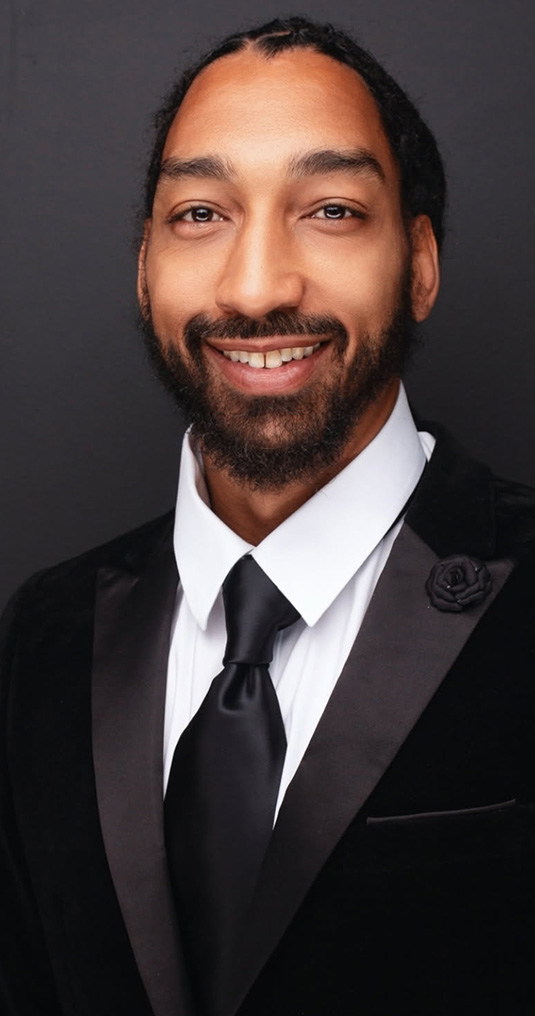
Mr. Wesley MooreBoard Director

Wesley Moore is a Columbus, Ohio native whose life experience and leadership have shaped his commitment to serving youth and underserved communities. Having grown up in environments impacted by instability, homelessness, and violence, Mr. Moore understands firsthand the challenges many young people face. His personal journey has fueled his dedication to creating safe, structured, and supportive environments where youth can stabilize, grow, and develop skills for long-term success.

As a Board Director at Noble Vision Behavior Health, Mr. Moore helps guide the organization toward practical, youth-centered solutions grounded in accountability, dignity, and opportunity. His experience in housing development and youth programming supports the mission to provide home-like residential care and strong behavioral health supports for young people and families.

Mr. Mark MooreBoard Director

Mark Moore is the younger brother of Wesley Moore and was also born and raised in Columbus, Ohio, including the Short North area. During his youth, he experienced homelessness and was surrounded by drugs, crime, and violence, which gave him a firsthand understanding of the barriers many youth and families face when trying to build stability.

Mr. Moore became interested in property rehabilitation and practical housing solutions so families and young adults facing similar struggles could have safer places to live. Through his leadership work with Ours Brothers Keepers (OBK), he helped support temporary housing, employment, and skill-building opportunities for youth and young adults. As a Board Director at Noble Vision Behavior Health, he brings that same focus on safe housing, stability, and opportunity to strengthen residential and behavioral health supports.

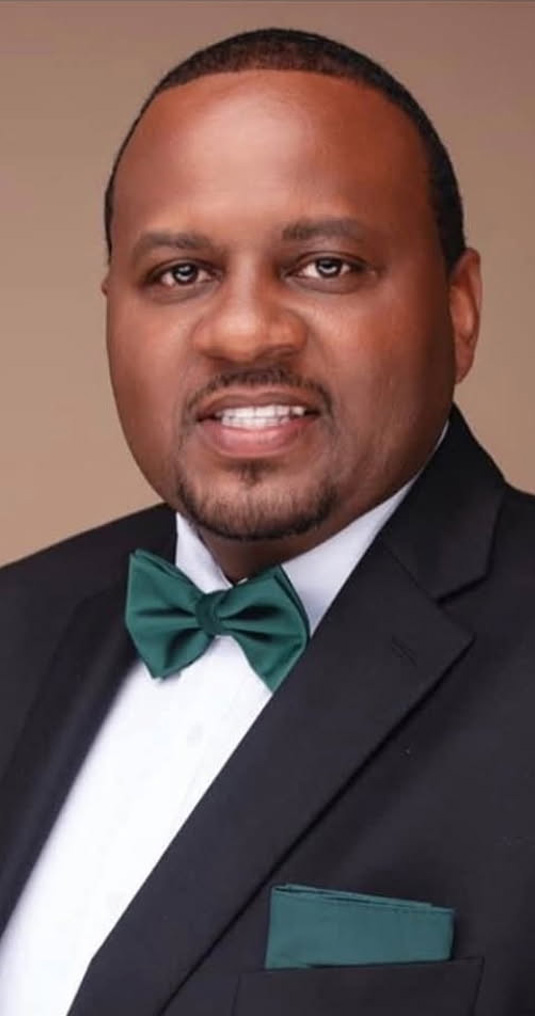
Mr. Lance SullivanExecutive Director

Lance Sullivan is a Columbus, Ohio native, former professional basketball player, youth development leader, and behavioral health executive dedicated to improving opportunities and outcomes for young people. He currently serves as the Executive Director of Noble Vision Behavioral Health (NVBH), a State-Certified and Nationally Accredited behavioral health agency providing residential care, clinical services, and community-based support for youth and families across Ohio.

Under Sullivan's leadership, Noble Vision Behavioral Health has established partnerships with multiple counties throughout Ohio, including Franklin County Children Services and Cuyahoga County (Cleveland), to provide residential behavioral health services for youth ages 11–17 placed in children services custody. His work focuses on building structured residential environments that combine clinical treatment, mentorship, education, life-skills development, and positive programming, helping youth stabilize, grow, and prepare for successful futures.

Sullivan began his work in behavioral health in 2014 while working at a state mental health facility, where he gained firsthand experience supporting individuals facing trauma and mental health challenges. From 2021 to 2024, he taught in the Sport, Fitness and Health Program at The Ohio State University, sharing principles of athletic development, leadership, and mentorship. During this time, he also collaborated with Juvenile Intervention Centers (JIC) to mentor incarcerated youth while they were in custody, emphasizing that mistakes do not define a person's future and that everyone deserves the opportunity for a second chance.

He also works closely with Ours Brothers Keepers (OBK), an impactful community organization that partners with Columbus City Schools to provide mentorship, guidance, and leadership development for youth across the community. Through this work, Sullivan continues to support programs that create positive pathways and opportunities for young people.

Before entering behavioral health leadership, Sullivan built a distinguished basketball career. At Columbus Africentric High School, he was an honor roll student, two-time All-City and All-State player, and First Team Dispatch All-Metro selection, serving as captain of Africentric's historic 2005 City & State Championship team capping off 25 stright wins and finishing with a remarkable 27–1 record.

Lance continued his collegiate basketball career on scholarship at Div II powerhouse Northwest Missouri State University, where he was named MIAA Freshman of the Year and Second Team All-Conference, helping lead the team to a conference championship, a tournament championship 48-15 record appearance and two NCAA Tournament berths. In '09 Sullivan later earned All-American honors at Langston University (08-09). He capped off his college career at Rogers State University, where he set the single-season assist record (09-10).

In 2010, Sullivan signed a two-year professional contract in the Balkan League, playing for KK Mornar Bar in Montenegro, becoming the first professional basketball player from both Columbus Africentric High School and Rogers State University.

Following his playing career, Sullivan founded the Hoops By Nature Foundation, a basketball training and mentoring organization that has helped many Central Ohio athletes earn college scholarships while emphasizing leadership, discipline, and life preparation.

Today, Sullivan's primary focus is leading the continued growth of Noble Vision Behavioral Health and strengthening services for youth in need. The organization is committed to providing trauma-informed care, structured residential treatment, mentorship, education support, and life-skills programming designed to help youth build stability and independence.

Looking toward the future, Sullivan's vision for Noble Vision Behavioral Health includes expanding residential capacity, strengthening county partnerships throughout Ohio, and developing innovative youth wellness and creative opportunities that integrate behavioral health care, mentorship, workforce development, and positive recreation. His long-term goal is to help Noble Vision establish a national model for youth residential services, ensuring that young people facing difficult circumstances receive the support, structure, and opportunities needed to build brighter futures.

 

Residential & Clinical Services

Noble Vision Behavior Health provides behavioral health services and activities through its Qualified Residential Treatment Program (QRTP). Noble Vision is licensed as a Residential Class 1 Residential Facility for Children and Adolescents. Services are delivered in a structured residential treatment setting designed to support youth who require behavioral health treatment, 24/7 supervision, and skill development in accordance with applicable residential facility and behavioral health certification standards.

  • Residential Facility Services - Licensed Residential Class 1 residential facility providing structured clinical treatment and supervision for youth within a Qualified Residential Treatment Program setting.
  • Therapeutic & Behavioral Health Interventions - Behavioral health services and activities designed to support emotional regulation, coping skills, social development, and daily functioning for youth receiving residential treatment.
  • Admission & Continued Stay Determination - Admission, level of care, and continued stay are determined based on clinical need, functional impairment, and safety considerations, ensuring the residential facility provides the appropriate level of support for youth.
  • Community Integration & Youth Development - Support for school attendance, family engagement, community participation, and age-appropriate responsibilities so youth continue developing skills needed for successful community living.

Licensure & Certifications

  • Behavioral Health Certification Number 01-8946 - Issued by the Ohio Department of Mental Health and Addiction Services. Effective 01/31/2025 through 01/30/2028.
  • Community Psychiatric Supportive Treatment (CPST) Service - Full State Certification. Effective 01/31/2025 through 01/30/2028.
  • General Services - Full State Certification. Effective 01/31/2025 through 01/30/2028.
  • Mental Health Day Treatment Service - Full State Certification. Effective 01/31/2025 through 01/30/2028.
  • Prevention Service - Full State Certification. Effective 01/31/2025 through 01/30/2028.
  • Qualified Residential Treatment Program (QRTP) - Full State Certification. Effective 01/31/2025 through 01/30/2028.
  • Residential Facility License Number 06-8266 - Residential Class 1: Qualified Residential Treatment Program - Children/Adolescents. Licensed Beds: 7. Effective 02/27/2025 through 02/26/2028.


References and Self-Help Materials

This section brings together practical reference information and self-help guidance for residents, families, and guardians, including daily expectations, rights and responsibilities, privacy and compliance information, and frequently asked questions.

What to Expect in the Home

Daily Rhythm & Routines

Life in a Noble Vision Behavior Health home is structured to feel predictable, safe, and supportive. Residents follow a daily rhythm that balances school or day programming, household responsibilities, skill-building activities, recreation, and personal time. Staff provide reminders, coaching, and encouragement throughout the day so that youth can practice time management, self-care, and respectful communication in a real home environment.

  • Mornings - Wake-up at a consistent time, complete personal hygiene, tidy rooms, and prepare for school or day services with staff support as needed.
  • Daytime - School attendance, therapeutic or skill-building activities, appointments, and community outings, coordinated with guardians and providers.
  • Evenings - Shared meals, homework or independent living skills practice, group activities, and time for relaxation with peers in common areas.
  • Overnight - Quiet hours support uninterrupted sleep and safety checks. Staff remain awake and available to respond to needs, concerns, or crises.

House Expectations & Staff Support

Residents are part of a shared home, and everyone contributes to keeping the environment respectful, clean, and safe. Staff clearly explain house rules, rights, and responsibilities at admission and review them regularly so that youth understand what is expected and how to ask for help. Expectations are designed to protect each person's safety and dignity while promoting independence and healthy decision-making.

  • Respectful interactions - Using respectful language and behavior with peers, staff, visitors, and neighbors; avoiding bullying, threats, or harassment.
  • Shared spaces - Caring for common areas, participating in household chores, and respecting others' personal space and belongings.
  • Visitors - Following visitation guidelines, communicating about guests in advance when required, and ensuring visitors respect house rules.
  • Safety & wellness - Complying with medication, safety, and supervision plans; telling staff about safety concerns; and participating in crisis or safety planning.
  • Voice & choice - Sharing preferences about food, hygiene products, activities, and goals so staff can partner with youth in developing individualized plans.


Resident Rights & Responsibilities

Residents of Noble Vision Behavior Health homes have important rights, and they also have responsibilities to themselves and to others in the home. Rights and responsibilities are reviewed at admission and regularly throughout care so that youth and their guardians understand how decisions are made, how concerns can be raised, and how everyone can work together to create a safe, respectful living environment.

Your Rights

  • Respect & dignity - To be treated with respect, courtesy, and consideration, regardless of race, culture, religion, gender, identity, or background.
  • Safety - To live in a clean, safe home that is free from abuse, neglect, exploitation, and retaliation, with staff who are trained to protect your wellbeing.
  • Participation in planning - To participate in the development of your service plan, to express your goals and preferences, and to be informed about treatment options and risks in language you can understand.
  • Communication & visitation - To communicate with family, guardians, and other approved supports, and to receive visitors consistent with program and legal requirements.
  • Privacy & confidentiality - To have personal information and health records kept confidential in accordance with the law, and to know when and why information may be shared.
  • Personal belongings - To have reasonable access to personal clothing, hygiene items, and belongings, consistent with safety and program guidelines.
  • Grievances & appeals - To voice concerns, file complaints, or appeal decisions without fear of punishment, and to receive a timely response and explanation of outcomes.
  • Rights restrictions - To be part of any discussion about restricting your rights, to understand the reason for restrictions, and to have them reviewed regularly with your guardian and treatment team.

Your Responsibilities

  • Respect for others - To treat peers, staff, and visitors with respect; to avoid physical or verbal aggression; and to respect others' privacy and belongings.
  • Following rules & safety plans - To follow house rules, curfews, and safety plans that are designed to protect you and the people around you.
  • Participation - To participate in services, groups, and meetings to the best of your ability, and to practice the skills you are learning in daily routines.
  • Self-care & hygiene - To work with staff on personal hygiene, healthy sleep, nutrition, and medical and behavioral health appointments.
  • Use of property - To care for your room, shared spaces, and household items; to use electronics and other equipment safely; and to report damage or safety hazards.
  • Honest communication - To share concerns with staff, ask questions when you do not understand something, and let someone know if you do not feel safe.
  • Participation in rights discussions - To be involved in discussions about your rights and restrictions, to give input about what is working or not working, and to participate in reviews of your plan.


Privacy, Rights & Compliance

Privacy & Confidentiality

Noble Vision Behavior Health follows the Health Insurance Portability and Accountability Act (HIPAA) and 42 CFR Part 2 to safeguard your health information, including information related to substance use treatment. We collect and use information only for purposes such as providing your care, coordinating services, receiving payment, and operating our programs. You have the right to know how your information is used and shared, to request a copy of your record, to ask for corrections when something is incomplete or inaccurate, to request limits on certain uses or disclosures, and to receive a list of many types of disclosures that have been made. Except in specific situations required or permitted by law—such as medical emergencies, court orders, or mandatory reporting—we will ask for your written authorization before releasing information, and we will explain your choices and any potential consequences so you can make an informed decision.

Corporate Responsibility

Our standards of professional conduct are guided by federal and state regulations, payer requirements, accreditation standards, and Noble Vision Behavior Health policies. Our Corporate Responsibility and Compliance program promotes honest, ethical behavior and helps prevent fraud, waste, and abuse. Staff receive training on our Code of Conduct, resident rights, privacy and confidentiality, documentation, and appropriate use of agency resources. We encourage anyone—residents, families, staff, or community partners—to report concerns or possible violations without fear of retaliation. Reports are reviewed in a timely manner, and when issues are identified, we take corrective action and use those findings to strengthen policies, procedures, training, and oversight so that our services remain safe, compliant, and centered on the wellbeing of the individuals we serve.


Frequently Asked Questions

On your first day at Noble Vision Behavior Health, staff will greet you, help you get settled, and walk you through what to expect in the home. You will receive an orientation to your room and shared spaces, a review of basic house guidelines, and an introduction to key staff who will be supporting you. We know that arriving in a new place can be stressful, so we move at a pace that allows time for questions, breaks, and reassurance. During admission, we review important information about your history, strengths, and needs, explain your rights and responsibilities, and begin to learn about your goals. You are encouraged to tell us what helps you feel safe and calm, who is important in your life, and how we can best support you. Our goal is for you to leave the first day with clear information about routines, how to ask for help, and what the next few days will look like.

Noble Vision Behavior Health provides residential care and behavioral health services for youth who need a structured, supervised home environment and additional support with emotional, behavioral, and daily living needs. Admission is usually coordinated through guardians, case workers, care managers, or referral agencies. Before admission, we review information about your needs, safety considerations, and current supports to make sure our program is an appropriate level of care. If placement is approved, we schedule an admission date, gather consents, and plan for transportation. During the first several days, the team will complete additional assessments and work with you and your guardian to finalize an individualized plan of care. The plan outlines goals, services, safety supports, and discharge or transition planning so that everyone understands the purpose of the placement and how progress will be measured.

Daily life at Noble Vision Behavior Health is structured and predictable while still allowing for individual preferences and interests. Each day includes time for personal care, school or day programming, household responsibilities, meals, skill-building activities, and relaxation. Staff use a trauma-informed, strengths-based approach and provide coaching rather than criticism. Expectations are clearly explained and reviewed often so that residents know what is coming next and what is expected of them.

  1. Mornings typically include wake-up at a consistent time, personal hygiene, room organization, and preparation for school or daily programming with staff support as needed.
  2. Daytime hours are focused on school attendance, appointments, therapeutic or skill-building groups, and, when appropriate, community activities and recreation.
  3. Evenings usually include shared meals, homework support or independent living skills practice, group meetings, and time to relax in common areas.
  4. Nighttime includes quiet hours, safety checks, and staff available to respond to needs, concerns, or crises at any time.

Throughout the day, staff help residents practice communication, problem solving, coping skills, and respectful participation in a shared home. The goal is to build skills that will support success in family, school, work, and community settings after discharge.

Families, guardians, and other important supports play a critical role in care at Noble Vision Behavior Health. Whenever possible, we involve them in planning, decision making, and transition back to the community. We encourage open communication and shared problem solving so that skills learned in the home can be practiced and reinforced in other settings.

  1. Guardians are invited to participate in treatment planning meetings, care conferences, and regular check-ins with staff or clinical providers.
  2. Family visits, phone calls, and virtual contact are supported in accordance with court orders, safety plans, and program guidelines.
  3. Staff provide updates on progress, challenges, and goals, and work with families and guardians to prepare for home visits, school changes, and discharge or step-down plans.
  4. Families and guardians are encouraged to share information about what has worked well in the past, cultural and spiritual preferences, and strategies that help the youth feel safe, calm, and understood.

Safety is a top priority at Noble Vision Behavior Health. We use a combination of clear expectations, supervision, environmental safeguards, crisis planning, and staff training to create a living environment that protects physical and emotional safety for everyone in the home.

  1. Staff are present and available 24 hours per day and conduct regular checks to ensure that residents are accounted for and safe.
  2. We maintain clear rules about aggression, bullying, weapons, substances, and unsafe behaviors, and we respond promptly to any safety concerns.
  3. Individual safety or crisis plans are developed when needed, with strategies for early warning signs, coping skills, and who to notify in an emergency.
  4. Staff receive training in de-escalation, trauma-informed care, mandatory reporting, and how to respond to emergencies while maintaining dignity and respect.
  5. We comply with applicable regulations and licensing standards and regularly review incidents and feedback to improve safety practices.

Noble Vision Behavior Health follows applicable privacy laws, including the Health Insurance Portability and Accountability Act and, when applicable, 42 CFR Part 2. Your personal and health information is protected and is only used or shared for reasons such as providing care, coordinating services, receiving payment, and operating our programs.

  1. You have the right to know what information we collect, how it is used, and with whom it may be shared.
  2. You may request access to your record and, when appropriate, ask for corrections if you believe information is incomplete or inaccurate.
  3. You may request limits on certain uses or disclosures of your information, consistent with law and program requirements.
  4. Except in situations required or allowed by law, we will obtain your written permission before sharing information with outside parties.
  5. If you have questions or concerns about privacy, you may speak with staff, a supervisor, or the compliance contact listed in your admission documents.

We understand that personal items can help a new place feel more like home. During admission, staff will review guidelines about what you may bring and what items must be limited or stored for safety reasons. These guidelines may vary based on age, level of care, and individual safety needs.

  • Clothing that is clean, in good repair, and appropriate for the season, school, and activities.
  • Reasonable amounts of personal hygiene items, which may also be provided or supplemented by the program.
  • Personal items such as photos, books, and small comfort objects that do not pose a safety risk.
  • Electronics or other valuables only as allowed by program guidelines, safety plans, and guardian or court requirements.

If an item is not allowed or needs to be stored, staff will explain the reason, discuss options, and document how the item will be kept or returned. We encourage you and your guardian to ask questions in advance so that move-in can go as smoothly as possible.

You have the right to voice concerns about your care, living conditions, or how you are treated without fear of punishment or retaliation. If you have a concern, you can talk with any staff member you trust, request to speak with a supervisor, or use any grievance or complaint process described in your resident handbook or admission paperwork. We take all concerns seriously and aim to review and respond in a timely manner. When possible, we will work with you and your guardian to resolve the issue and, when needed, use what we learn to strengthen our services and improve the experience of residents and families.